
Posts by Emily Skeen
Navigating Cast Iron Pipe Failures in 1950s Jackson Homes
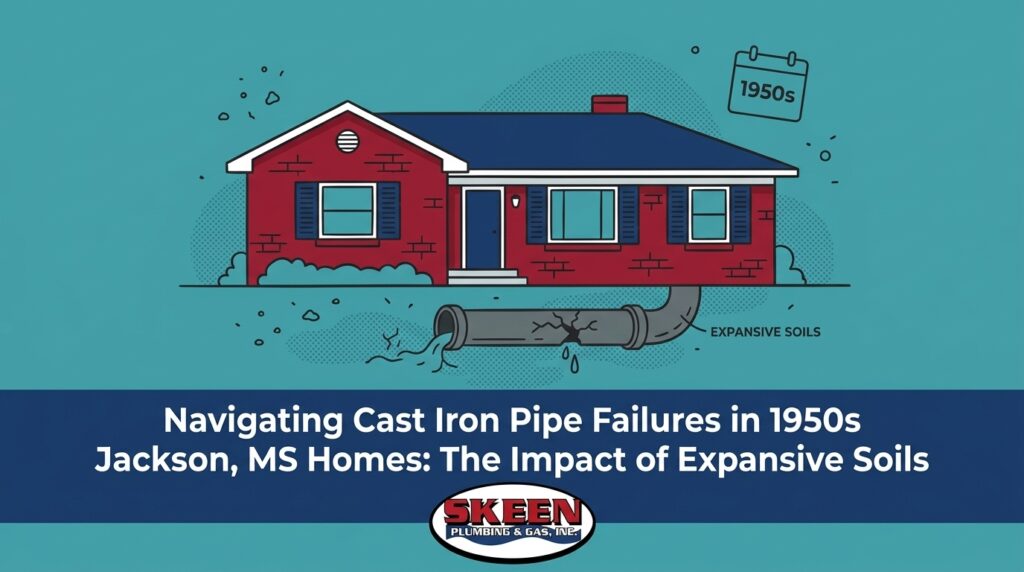
Original 70-year-old sewer lines in Jackson’s mid-century homes are rotting from the inside out. Recognize the warning signs and decide when to schedule a camera inspection before a total collapse.
Read MoreWhat Is Pipe Bursting? How Trenchless Technology Saves Your Yard
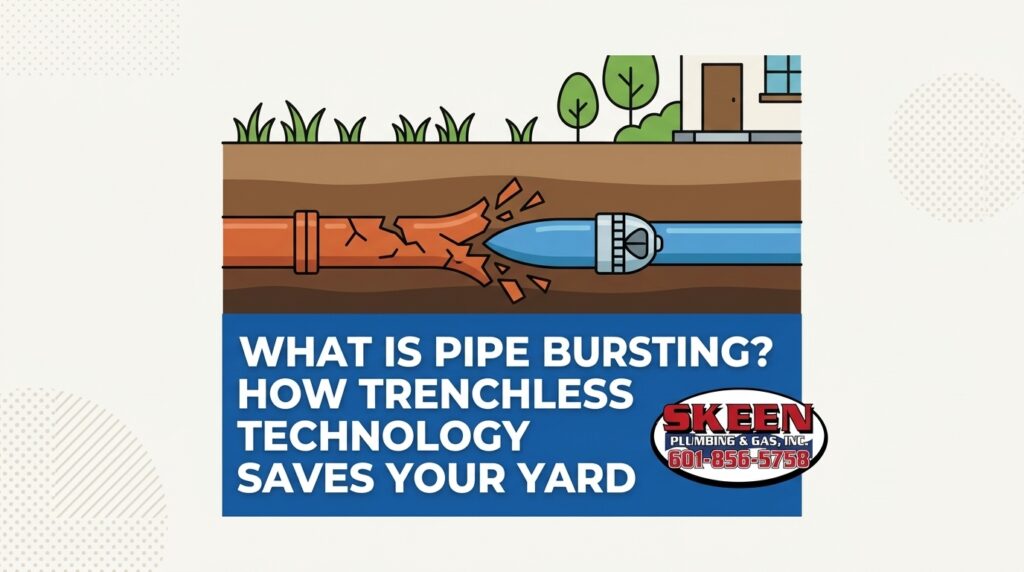
The Hidden Threat Beneath Your Landscaping Your main sewer line has failed, and the first image that flashes into your mind is a backhoe tearing up your manicured lawn. For decades, discovering a collapsed underground pipe meant bracing yourself for an excavated yard, a ruined driveway, and weeks of messy disruption. The thought of heavy…
Read MoreWhy Main Shut-Off Valve Failures Require Immediate Specialist Intervention
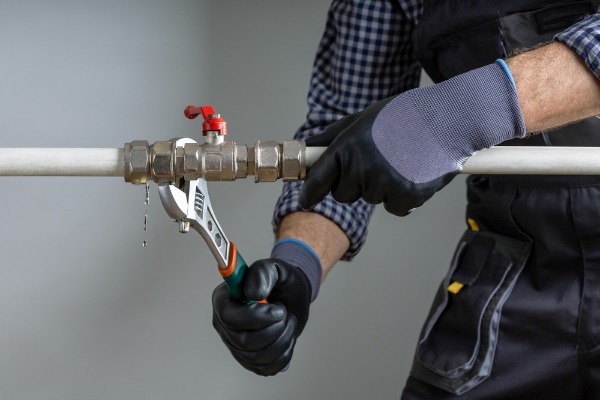
If you turned your main shut-off valve and water kept flowing, or the handle wouldn’t budge at all, you already know why this matters. That valve is the one thing standing between a normal plumbing problem and a house full of water. When it fails, you lose your ability to stop a leak, protect a…
Read MoreWhen Sewer Line Repair Is the Better Answer to Underground Damage
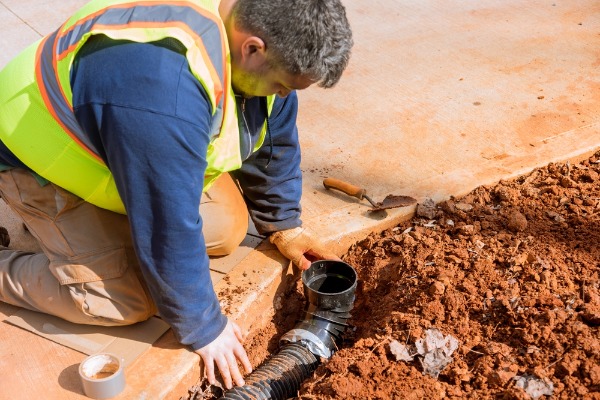
A slow drain that won’t clear, a soggy patch in the yard that never dries out, or a sewage odor near the foundation are usually the first clues that something underground is wrong. The question that follows is rarely simple: does the damaged section need a repair, or is the whole line beyond saving? Homeowners…
Read MoreWhat Every Homeowner Should Know About Plumbing Maintenance
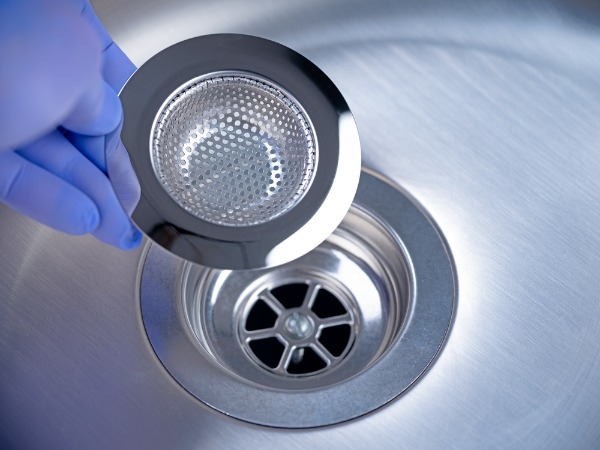
Regular upkeep on your pipes, drains, and water heater keeps small issues from growing into bigger problems down the road. A little attention now saves time, money, and stress later. As a plumber in Madison, MS, we at Skeen Plumbing have spent decades providing plumbing services to homeowners across the Jackson area, and this guide…
Read MoreHow Sewer Line Bellies Form and Why They’re a Problem
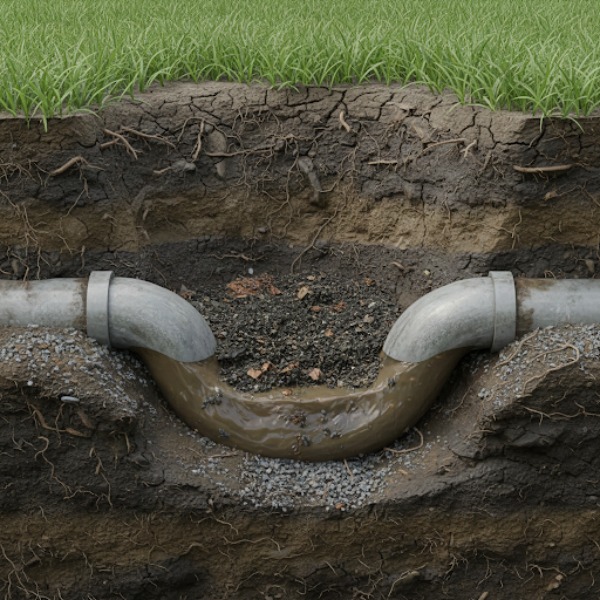
A sewer line belly forms when a section of buried pipe settles below its intended slope, creating a low spot where wastewater and solids can collect. Soil settlement, shifting ground, poor bedding, and installation issues can all contribute to this change in grade. Because a belly can lead to recurring blockages, slow drainage, and sewer…
Read MoreWater Pressure and Your Water Heater: The Impact When Pressure Is Too High or Low
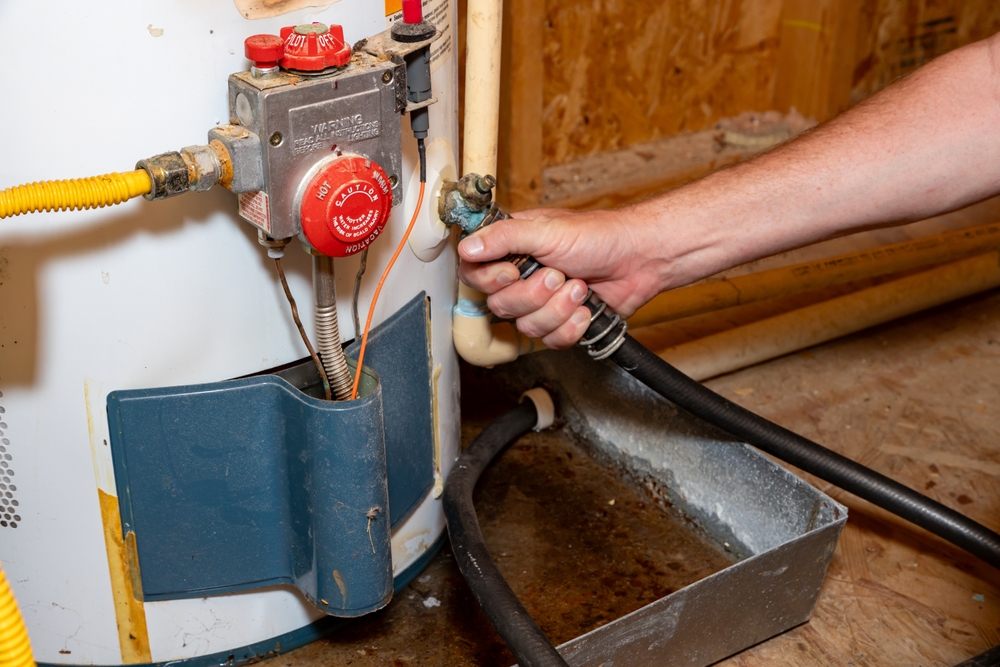
You probably notice water pressure only when it’s inconvenient. What many homeowners don’t realize is that those pressure changes also affect one of the hardest-working appliances in the house: the water heater. Pressure that stays too high places constant stress on the tank, and pressure that’s consistently too low reduces performance. Understanding how water pressure…
Read MoreHeavy Rain Doesn’t Have to Flood Your Yard to Damage Your Sewer Line: Here’s Why
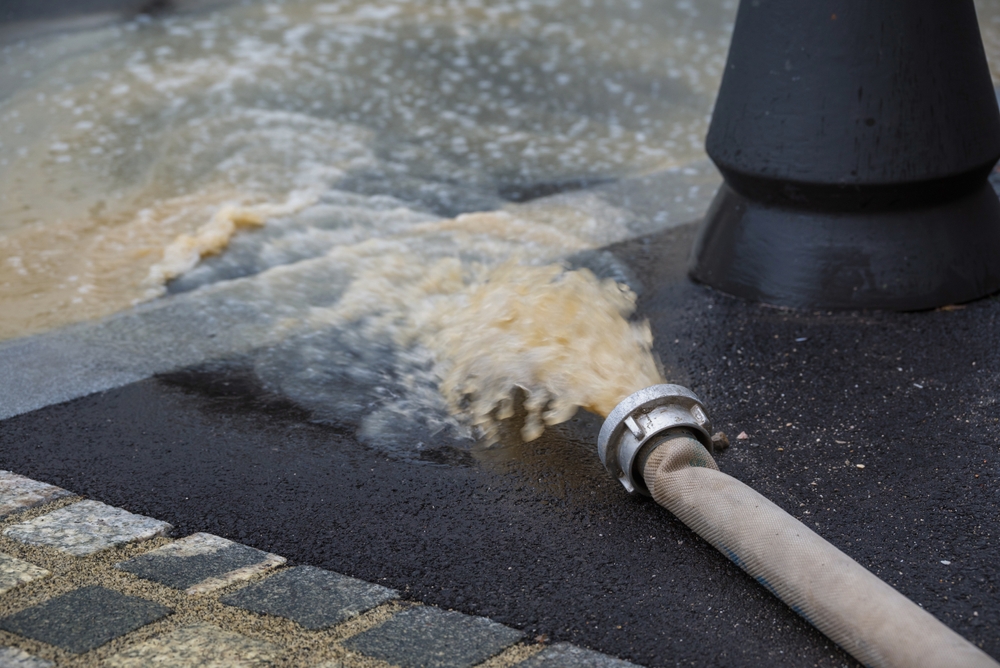
Most sewer problems linked to heavy rain begin underground before standing water ever appears on your property. And by the time flooding is obvious, your sewer line may have already been under stress for hours or even days. That matters in an area where strong thunderstorms and prolonged rainfall are common throughout much of the…
Read MoreWhat to Expect When Upgrading to a Low-Flow Toilet

Upgrading to a low-flow toilet is one of the easiest ways to reduce water use at home without dealing with weak flushes or constant double-flushing. The average older toilet uses 3.5 to 7 gallons per flush. A WaterSense-certified low-flow model uses 1.28 gallons or less, which can save a household up to 13,000 gallons of…
Read MoreSewer Gas Smell in Your House? Here’s What It Means and What to Do Next

That rotten egg smell coming from your drains is not something to ignore. It usually means sewer gas is leaking into your home, and while it can stem from something as simple as a dry P-trap, it can also point to a damaged or blocked sewer line. If you’re dealing with a persistent odor that…
Read More